
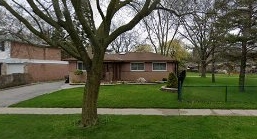
We lived at 84 Willesden Road, in Willowdale, Ontario. Back in the mid-1960s, Willowdale was a new and developing suburb of Toronto. Today, Willowdale is no longer a unit of suburbia as it has been swallowed up by urban development, municipal boundaries and political aspirations. The house, of course, is still there and so is the park behind the house, the sliding hill across the park, and my Alma mater, Cresthaven Public School. But after 40 years some things have changed, just as some have stayed the same.
As a small four-year-old boy, I found moving to Toronto intriguing. Coming from the Rocky Mountains and Cow Town, Calgary, to the big city of Toronto was a bit of a culture shock. When September arrived, I also started school for the first time. I was about to start Kindergarten at my new school which was about a kilometre walk from the new house. As luck would have it, the walk to school was off-road and followed a pathway that traversed the park behind our home and the high-tension power-line. I would go out the back gate, turn left onto the asphalt pathway that leads northwards, cross Willesden Park and the power line, and arrive at school.
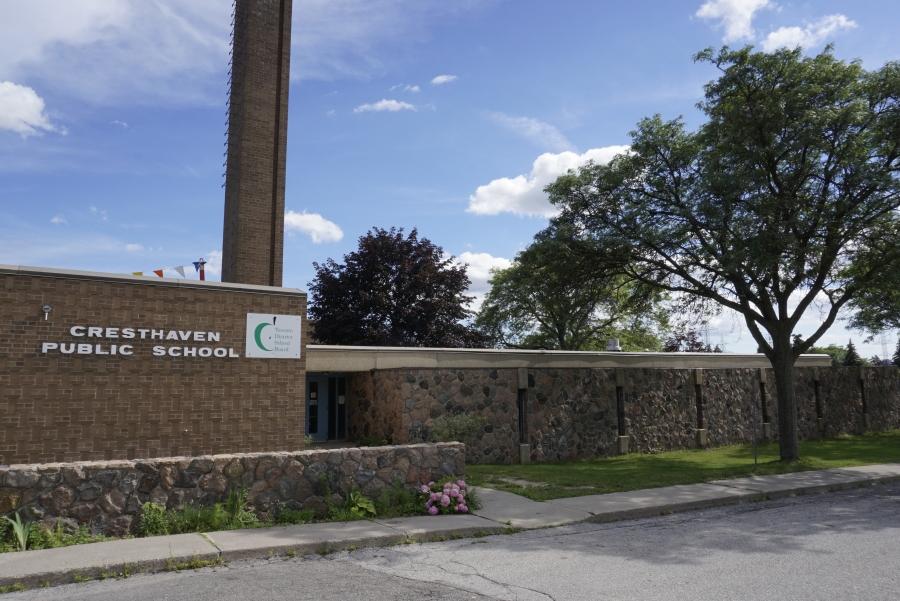
Kindergarten was mostly drawing, listening to stories, and sitting in circles. Having an adventurous mind, I found the inactivity and boredom of education stifling. My energy level, already high, only increasing with the inactivity. I frequently disrupted the classroom as I ran around trying to focus. With no real outlet to provide the amount of activity required to satisfy the neurological and physical capacity of an active four-year-old, I became labelled or identified as not ready to learn. As a result, I did not have to do academics at school: no math, no reading, no spelling, and no learning. Instead, my instructional day was filled with art and music. Recess was welcome and I enjoyed playing cars in the sandbox, and marbles with the other boys. The best part of school was the weekend and my solo trips to the Don River. The open spaces and nature were my true school. I profited from experiential outdoor learning in many ways.
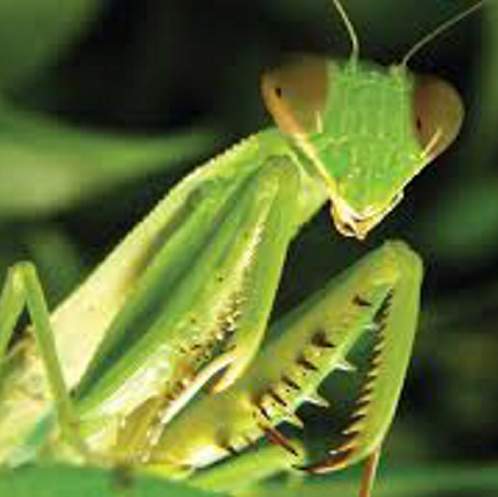
I remember having a fascination with praying mantises. Now mantises were cool insects. First, they were large and scary looking. Secondly, they ate the grasshoppers that I fed them. I would hunt for praying mantises, trap them, and bring them home for feeding and observation. Their mandibles could easily bite right through the tough carapace of a small grasshopper. But the coolest thing was their grasping pincers which they used to efficiently hold their living prey as they devoured it hungrily.
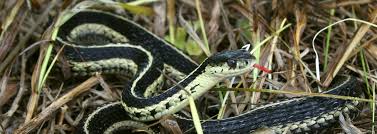
I also found snakes cool. We had garter snakes living in the power-line, along the hedgerows and in the grassy meadows. As a boy, catching a snake was a badge of honour. I had to be brave and dexterous in the capture. By deftly grabbing the snake right behind the head I avoided the snake bit and horrible agonizing death. I managed to capture a few smaller snakes that fall.
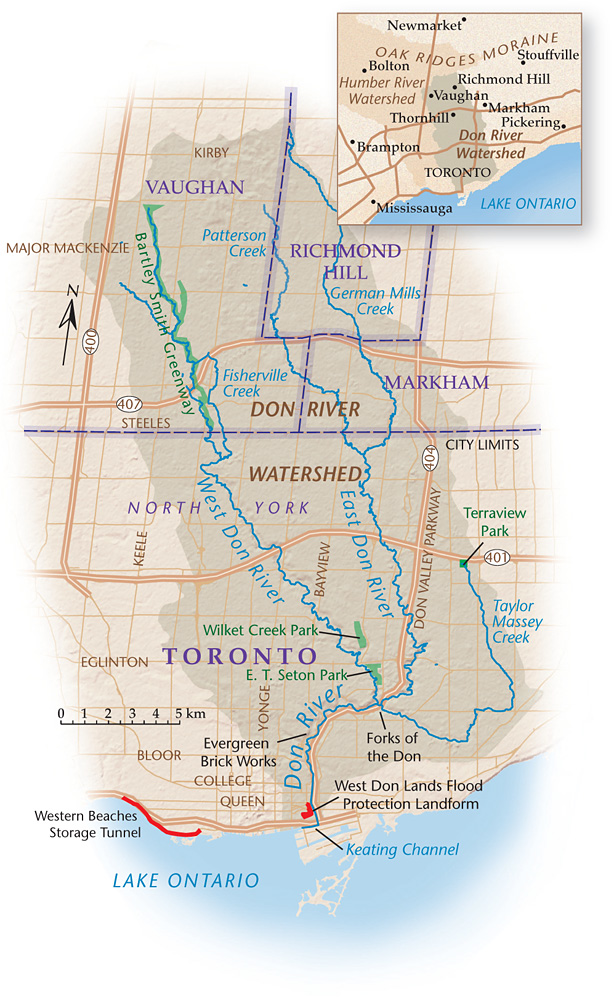
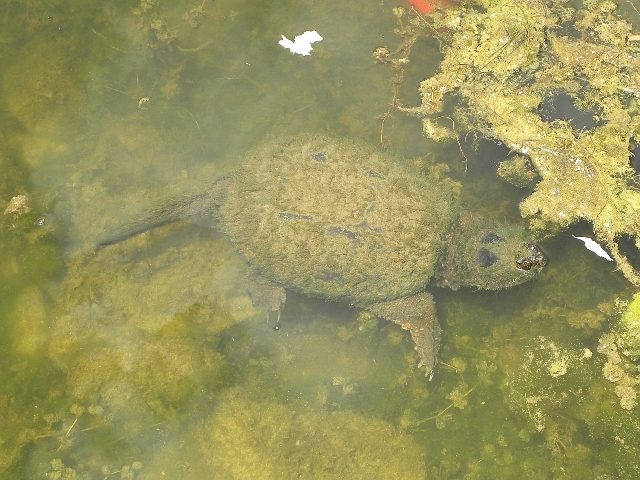
The upper East Don River, near the headwaters, was where I explored. The river was touted as polluted and disgusting back in the mid-1960s, but the upper reaches were still fairly clean. By the time the river arrived in Toronto the storm drains and industrial effluents had reduced the water quality to a disgusting state of contamination. I played on the upper reaches where the water was clear and healthy. Here I found the common snapping turtles to be abundant. I stayed away from the big ones. The babies were adorable and could easily be found in the post-rain muddy or the clear algal waters of the Don River. Snapping turtles like eating earthworms and grasshoppers so my friends were well feed.

When I was home, I was both busy and curious. I had an uncanny gift for spatial acuity. Let me give you an example. Spices then and I believe even now, where purchased in small metal tin cans. Mom was cooking in the kitchen and had left a spice can on the kitchen table. Being curious, I grabbed the can and ran directly to the main floor toilet. At the objections of my angry mother, I flushed the can down the toilet to see if it would fit, and it almost did. The spice disappeared into the toilet drain, and then became lodged deep in the inner toilet works. So deep in fact that my Dad had to spend a glorious afternoon removing the toilet to the front lawn to excavate the spice can. I had jammed the inner trap of the porcelain bowl. He was not pleased in the least. He finally succeeded, and I was punished for my failed experiment. I needed to be outdoors.
As I grew older, my schooling only grew worse. My Mom worried that I was not reading or doing math. The school was under the Denise Hall Educational Model of the 1960s, which in the broadest of terms presented that learning would happen when I was ready. After testing my IQ and mental acuity it was determined that my intelligence was normal. I was simply not willing to learning. After innumerable parent-teacher interviews, I was placed in special education with Mrs. Wilson. An old school teacher who firmly taught the basics out in a portable classroom that had been retrofitted for the occasion. I was learning, but not the stuff parents and teachers think you needed to be successful. My younger brother Ralph was, however, a year away from Kindergarten. Hence Mum put him into a playschool program to prepare him for the learning experiences at Cresthaven. Becky was also struggling with school and was finding learning difficult.

Ralph and I had red wagons. I used mine for all kinds of ventures. In summer I would sell Kool-Aid from my portable wagon Kool-Aid stand. Back then Kool-Aid was ten cents a package and was sold for 25 cents a glass. I would load up my wagon and loop around Willesden Road, onto Rameau Drive, and back onto Willesden Road. You could gain a tidy profit even if you merely sold a few glasses.
The wagons were also very handy for construction projects. Our first tree-fort was constructed beside the old abandoned one-room schoolhouse, known as the North York Zion School House, on Finch Avenue and Trudy Road. The abandoned property had a rickety collapsing fence along Trudy Road and mature trees spaced equidistantly in a line on the inside of the dilapidated fence. With hammers and nails procured from Dad’s basement woodwork shop, repurposed fence boards, and ingenuity we built a treehouse next to the old school building. The build required several days and improved our engineering skills. One day while working on the tree-fort we decided to squeeze into the historic school. It was just like the one-room schoolhouses in the films: one big room, a wall-to-wall chalkboard at the front, old unused wood-topped desks of various sizes to suit a multilevel classroom, student slate tablets, a piano, and a teacher desk at the front. This was a school from the recent past as the room was still intact as if waiting for the bell in the belfry over the school to ring students in. The building presently a historic site and has been refurbished to its former glory. I have never been back but research provided some fascinating insights.
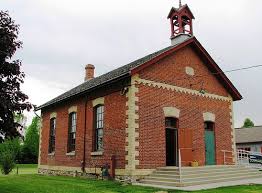
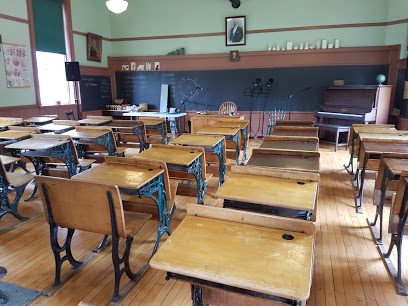
The Zion Schoolhouse was built in 1869 to provide free public education for children in the small farming community of L’Amaroux. Children from neighbouring farms came to the one-room schoolhouse to learn reading, writing and arithmetic as well as agriculture, nature study, geography and history.
City of Toronto. (2019, November 28). Zion Schoolhouse. Retrieved March 17, 2020, from https://www.toronto.ca/explore-enjoy/history-art-culture/museums/zion-schoolhouse/
We had to abandon this location about a month later. As it turned out to be a hangout for some handgun toating teenagers who desired us to join their gang. Ralph and I ended up purchasing cigarettes for them. They provided us with money and a faked note from a “parent” permitting us to purchase a package of cigarettes. We went to the local Supermarket located on the busy corner of Finch Avenue and Leslie Street to make the purchase. After this, we decided to rebuild elsewhere.
We had to search around a bit to find large trees in a good location so that hauling building supplies would not be too daunting. We dissembled the old schoolhouse fort and would reuse the materials to construct our new tree fort. Ralph’s daycare was located in a Baptist Church off Rameau Drive. We discovered large Poplar trees on top of a hill next to the church at the bottom. We made the mistake of building on a Sunday morning. Our hammering annoyed the Minister enough for him to stop his sermon and come outside to implore us to stop. We did. However, the abandonment of this location was not without a curse. The forest floor was loaded with poison ivy and that Sunday we somehow got some exposure to the noxious blistering oils.
The school year would be starting soon, as August was rolling into September. Mum would want to torture us with shopping for new trousers and school supplies. I was not looking forward to another school year of classroom boredom. Why did learning have to be so uninteresting?


enjoyed this too. It is a joy to see the world through my son’s eyes and to find out what he was up to all those years ago.
LikeLiked by 1 person
perspecive comes from the eyes of the observer
LikeLike