Tree Forts in Toronto: Wildlife in Willowdale

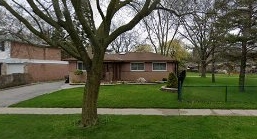
We lived at 84 Willesden Road, in Willowdale, Ontario. Back in the mid-1960s, Willowdale was a new and developing suburb of Toronto. Today, Willowdale is no longer a unit of suburbia as it has been swallowed up by urban development, municipal boundaries and political aspirations. The house, of course, is still there and so is the park behind the house, the sliding hill across the park, and my Alma mater, Cresthaven Public School. But after 40 years some things have changed, just as some have stayed the same.

As a small four-year-old boy, I found moving to Toronto intriguing. Coming from the Rocky Mountains and Cow Town, Calgary, to the big city of Toronto was a bit of a culture shock. When September arrived, I also started school for the first time. I was about to start Kindergarten at my new school which was about a kilometre walk from the new house. As luck would have it, the walk to school was off-road and followed a pathway that traversed the park behind our home and the high-tension power-line. I would go out the back gate, turn left onto the asphalt pathway that leads northwards, cross Willesden Park and the power line, and arrive at school.
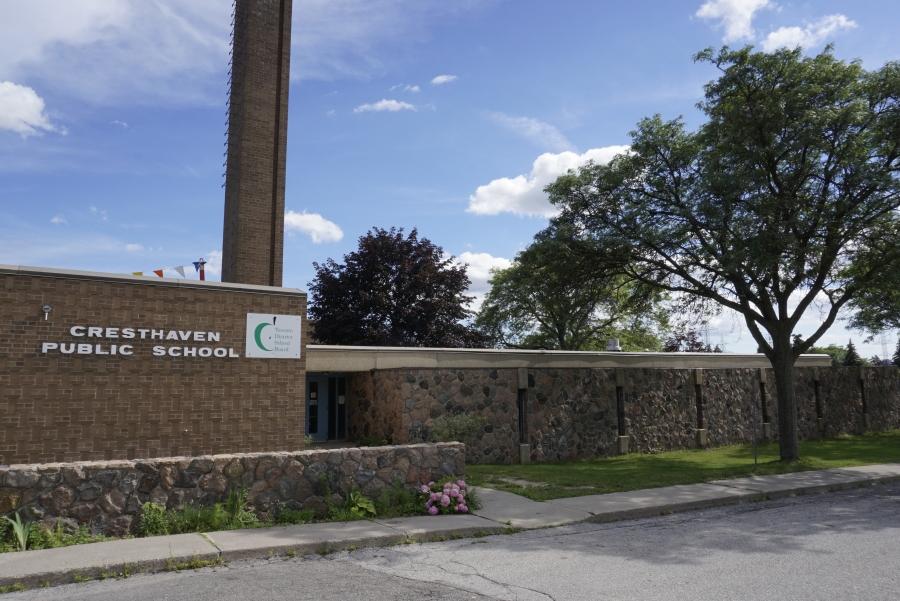
Cresthaven Public School, North York

Kindergarten was mostly drawing, listening to stories, and sitting in circles. Having an adventurous mind, I found the inactivity and boredom of education stifling. My energy level, already high, only increasing with the inactivity. I frequently disrupted the classroom as I ran around trying to focus. With no real outlet to provide the amount of activity required to satisfy the neurological and physical capacity of an active four-year-old, I became labelled or identified as not ready to learn. As a result, I did not have to do academics at school: no math, no reading, no spelling, and no learning. Instead, my instructional day was filled with art and music. Recess was welcome and I enjoyed playing cars in the sandbox, and marbles with the other boys. The best part of school was the weekend and my solo trips to the Don River. The open spaces and nature were my true school. I profited from experiential outdoor learning in many ways.
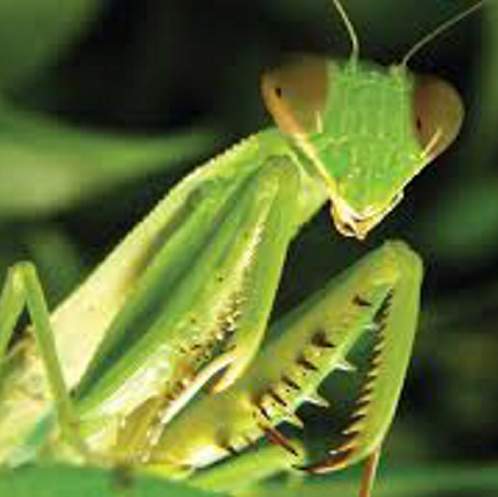
The Praying Mantis

I remember having a fascination with praying mantises. Now mantises were cool insects. First, they were large and scary looking. Secondly, they ate the grasshoppers that I fed them. I would hunt for praying mantises, trap them, and bring them home for feeding and observation. Their mandibles could easily bite right through the tough carapace of a small grasshopper. But the coolest thing was their grasping pincers which they used to efficiently hold their living prey as they devoured it hungrily.
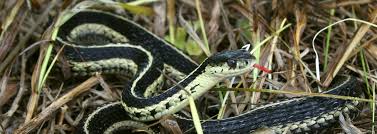
The Garter snake

I also found snakes cool. We had garter snakes living in the power-line, along the hedgerows and in the grassy meadows. As a boy, catching a snake was a badge of honour. I had to be brave and dexterous in the capture. By deftly grabbing the snake right behind the head I avoided the snake bit and horrible agonizing death. I managed to capture a few smaller snakes that fall.
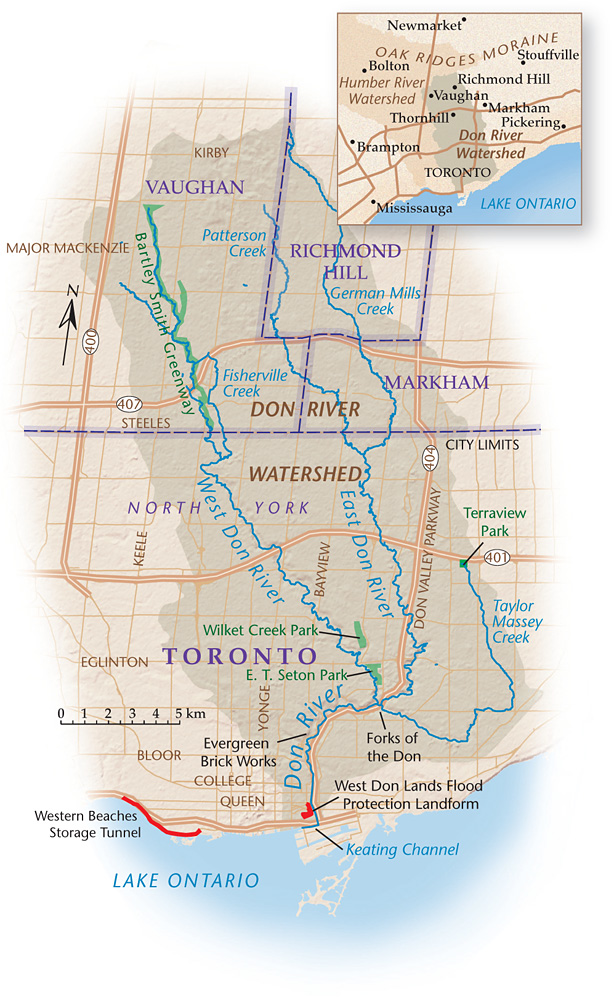
My section of the East Don River is just below the confluence of Fisherville Creek and German Mills Creek near the D in the word WATERSHED
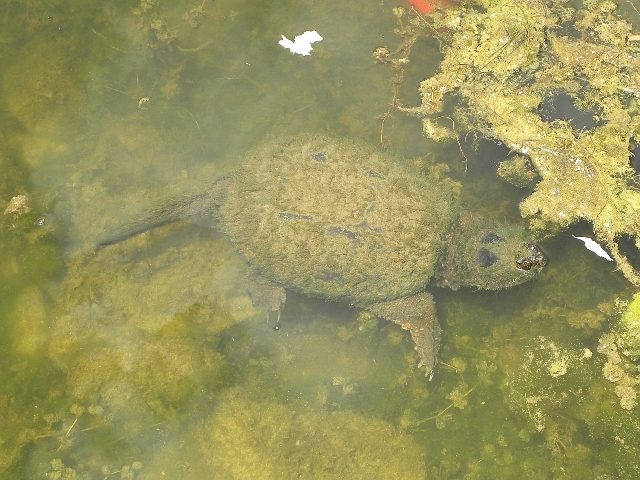
Snapping Turtle in East Don River

The upper East Don River, near the headwaters, was where I explored. The river was touted as polluted and disgusting back in the mid-1960s, but the upper reaches were still fairly clean. By the time the river arrived in Toronto the storm drains and industrial effluents had reduced the water quality to a disgusting state of contamination. I played on the upper reaches where the water was clear and healthy. Here I found the common snapping turtles to be abundant. I stayed away from the big ones. The babies were adorable and could easily be found in the post-rain muddy or the clear algal waters of the Don River. Snapping turtles like eating earthworms and grasshoppers so my friends were well feed.

undefined

When I was home, I was both busy and curious. I had an uncanny gift for spatial acuity. Let me give you an example. Spices then and I believe even now, where purchased in small metal tin cans. Mom was cooking in the kitchen and had left a spice can on the kitchen table. Being curious, I grabbed the can and ran directly to the main floor toilet. At the objections of my angry mother, I flushed the can down the toilet to see if it would fit, and it almost did. The spice disappeared into the toilet drain, and then became lodged deep in the inner toilet works. So deep in fact that my Dad had to spend a glorious afternoon removing the toilet to the front lawn to excavate the spice can. I had jammed the inner trap of the porcelain bowl. He was not pleased in the least. He finally succeeded, and I was punished for my failed experiment. I needed to be outdoors.

As I grew older, my schooling only grew worse. My Mom worried that I was not reading or doing math. The school was under the Denise Hall Educational Model of the 1960s, which in the broadest of terms presented that learning would happen when I was ready. After testing my IQ and mental acuity it was determined that my intelligence was normal. I was simply not willing to learning. After innumerable parent-teacher interviews, I was placed in special education with Mrs. Wilson. An old school teacher who firmly taught the basics out in a portable classroom that had been retrofitted for the occasion. I was learning, but not the stuff parents and teachers think you needed to be successful. My younger brother Ralph was, however, a year away from Kindergarten. Hence Mum put him into a playschool program to prepare him for the learning experiences at Cresthaven. Becky was also struggling with school and was finding learning difficult.

Ralph and I had red wagons. I used mine for all kinds of ventures. In summer I would sell Kool-Aid from my portable wagon Kool-Aid stand. Back then Kool-Aid was ten cents a package and was sold for 25 cents a glass. I would load up my wagon and loop around Willesden Road, onto Rameau Drive, and back onto Willesden Road. You could gain a tidy profit even if you merely sold a few glasses.

The wagons were also very handy for construction projects. Our first tree-fort was constructed beside the old abandoned one-room schoolhouse, known as the North York Zion School House, on Finch Avenue and Trudy Road. The abandoned property had a rickety collapsing fence along Trudy Road and mature trees spaced equidistantly in a line on the inside of the dilapidated fence. With hammers and nails procured from Dad’s basement woodwork shop, repurposed fence boards, and ingenuity we built a treehouse next to the old school building. The build required several days and improved our engineering skills. One day while working on the tree-fort we decided to squeeze into the historic school. It was just like the one-room schoolhouses in the films: one big room, a wall-to-wall chalkboard at the front, old unused wood-topped desks of various sizes to suit a multilevel classroom, student slate tablets, a piano, and a teacher desk at the front. This was a school from the recent past as the room was still intact as if waiting for the bell in the belfry over the school to ring students in. The building presently a historic site and has been refurbished to its former glory. I have never been back but research provided some fascinating insights.
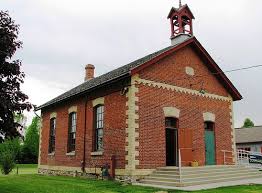
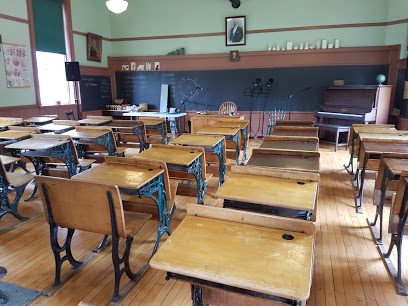
The Zion Schoolhouse was built in 1869 to provide free public education for children in the small farming community of L’Amaroux. Children from neighbouring farms came to the one-room schoolhouse to learn reading, writing and arithmetic as well as agriculture, nature study, geography and history.

City of Toronto. (2019, November 28). Zion Schoolhouse. Retrieved March 17, 2020, from https://www.toronto.ca/explore-enjoy/history-art-culture/museums/zion-schoolhouse/

We had to abandon this location about a month later. As it turned out to be a hangout for some handgun toating teenagers who desired us to join their gang. Ralph and I ended up purchasing cigarettes for them. They provided us with money and a faked note from a “parent” permitting us to purchase a package of cigarettes. We went to the local Supermarket located on the busy corner of Finch Avenue and Leslie Street to make the purchase. After this, we decided to rebuild elsewhere.

We had to search around a bit to find large trees in a good location so that hauling building supplies would not be too daunting. We dissembled the old schoolhouse fort and would reuse the materials to construct our new tree fort. Ralph’s daycare was located in a Baptist Church off Rameau Drive. We discovered large Poplar trees on top of a hill next to the church at the bottom. We made the mistake of building on a Sunday morning. Our hammering annoyed the Minister enough for him to stop his sermon and come outside to implore us to stop. We did. However, the abandonment of this location was not without a curse. The forest floor was loaded with poison ivy and that Sunday we somehow got some exposure to the noxious blistering oils.

The school year would be starting soon, as August was rolling into September. Mum would want to torture us with shopping for new trousers and school supplies. I was not looking forward to another school year of classroom boredom. Why did learning have to be so uninteresting?
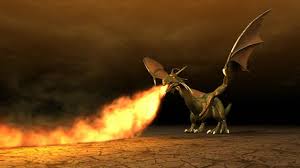
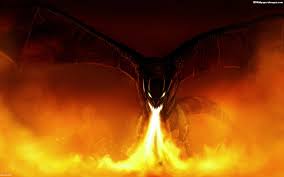
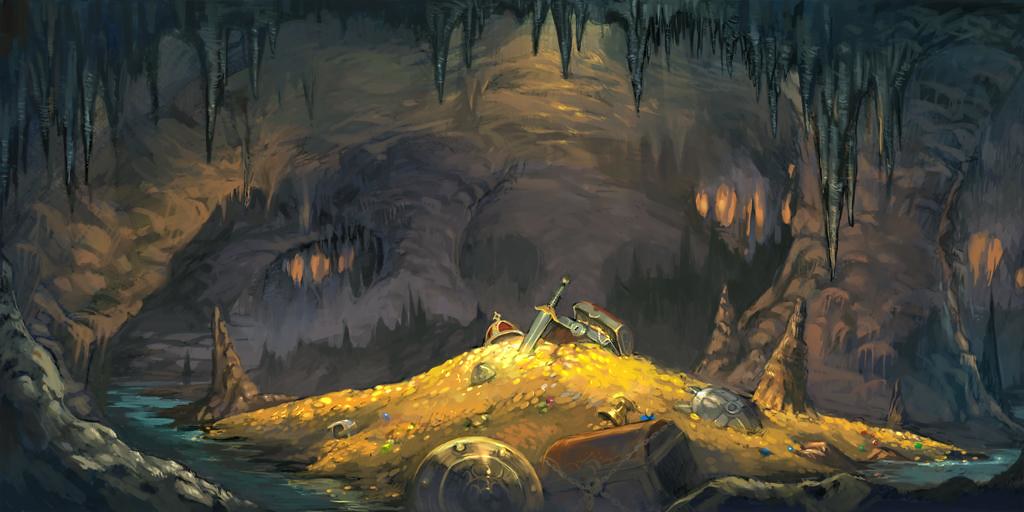
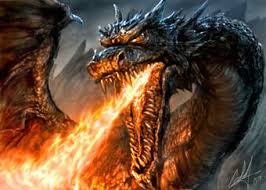
Dragons

Dragons

Inside the Misty Mountain
In an ancient dwarfs' cave
Lived a coiled and scaly dragon
Who’d made himself a slave

He was the best
He was the king
A beast so blessed
He loved his bling

His bling was made from stolen souls,
Stolen emotions, and stolen goals.
His magic was to put you down,
So he could wear the golden crown.

With green forked tongue and fiery breath,
He’d convince you, you’d escape near death.
He’d call you in to gaslight you.
Convincing you to do his do.

Once, you near his hoard of gold,
He’d turn on you for being bold.
Then throw a fit; explode with fire
For you are now a big fat liar.

He’d rage at you, and put you down..
 You’d try to speak, but he’d only drown,
Drown out your voice with his rage,
For you are meek and he is sage.

 Then you weaken; he knows it’s time
To grab his narcissistic prime.
To feed on his, “Better than you”,
Piece by piece, and chew by chew.

Your soul he’ll take into his hoard.
He is your master; he is your lord.
Do his bidding without protest.
He only sees himself as blessed.

Your feelings and your emotions, 
Given up for his devotions.
For he is right and you are wrong.
Entitlement is his self-song.

Take care, my kind friend;
You must lovingly transcend.
Feel your emotions strong.
Listen not to dragon song.
 
Be strong, be brave, be fierce.
Your heart he must not pierce.
Love yourself; slay the beast.
Live life’s passions thus unleashed
 
My advice is to slay the dragon.
Leave the hoard on the wagon.
Runaway and seal the door.
Save your soul and stop the war.
.
For dragons are most curious bests;
Best left alone to their lonely feasts.
The tricks they play to draw you in
Will only lead to dragon sin.
 
 
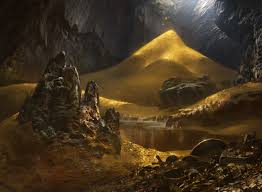
The Hoard

Days' Camp

Turtle Mountain

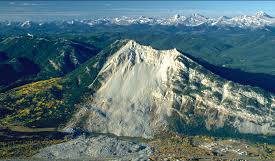
Some of my favourite memories of the mountains are the summers my family spent at Days’ Camp by the Carbondale River in the Crowsnest Forest. My father worked as a Forester for the Alberta Government Forest Service and spent his summers working in silviculture in the Lodgepole pine forests of the Crowsnest. In the summers, my family would pack up, leave Calgary, and move to the mountains. My Dad would motor up Highway 3 into the Crowsnest Pass. We drove through the small vibrant mining towns that were tucked along the mountain highway pass. Mom and Dad would stop at the Frank Slide and walk through the angular grey limestone rock-fall rubble to a cross made from threaded steel pipe. The cross was a monument that marked the tombs of the landslide victims who had been crushed beneath 110 million tonnes of mountain rocks that had slid off the face of Turtle Mountain in 1903. My parents informed me the slide only lasted 90 seconds and in these moments killed about 90 people. The southeastern corner of the town of Frank completely disappeared under the rubble. I remember standing on the gray rock looking at the slide scar on Turtle Mountain and wondering how a mountain could fall. The shatter zone was massive; I knew then that nature was both unpredictable and powerful.

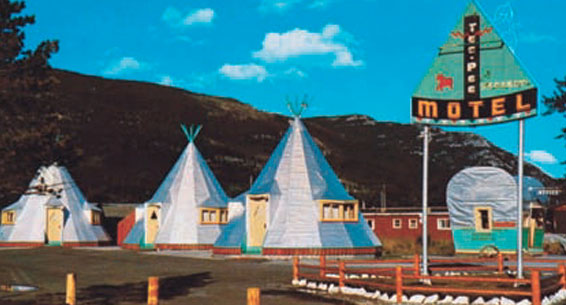
Sleepee Teepee Motel, Blairmore, Alberta

My other memory was of the Sleepee Teepee Motel in Blairmore, Alberta. The place fascinated the curiosity of a young boy. I always wanted to sleep in one of the teepees, but of course, never would. The teepees, the covered wagon, the cowboys, and the Indians became part of my fictional imagined boy self. At that age I could become anything I imagined. My dreaming, hoping and pretending became my defining quality. There were no limits.

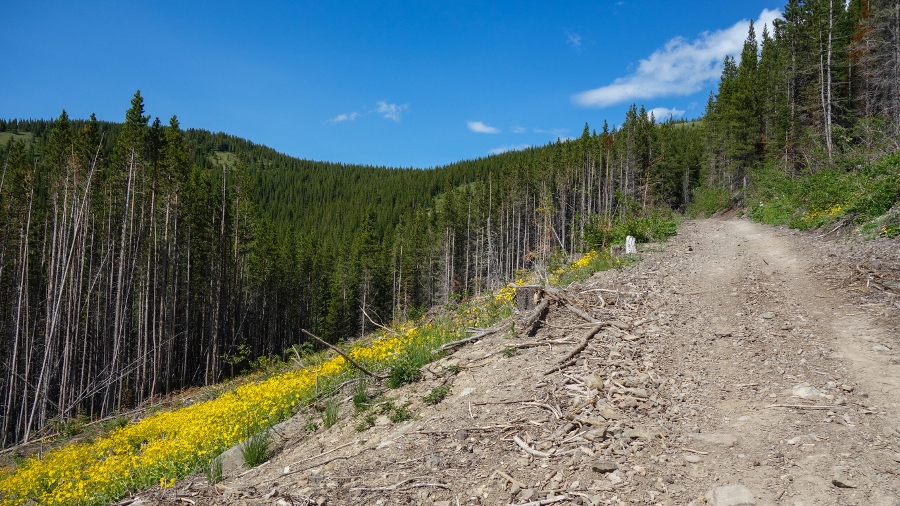
Logging Road

As usual, my parents stopped at Enzo Brazzoni’s Grocery in Bellevue for local news and supplies. Enzo was chatty, and my Dad would find out about the conditions of the logging roads into the Carbondale River valley, where the washouts were, how Enzo’s family was doing, and other local gossip of interest. We then packed the groceries and supplies into the truck and headed down the bouncy, narrow, twisting, and precipitous mountainside logging roads into the valley. My Dad would be on edge as he slowly drove the descending thin, dusty, and wash-boarded gravel road.  At times the single-lane dirt road cut through a mountain rock-cut, edged the top of an endlessly steep drop-off on one side, and pressed up against a sheer impenetrable cliff on the other.  Meeting a loaded logging truck was a constant fear and Dad was stressed the whole time as he creped down the switchbacks on his way into the valley.

When we arrived at Days’ Camp, the trailer was always waiting. I would run into the empty unit and proceed to get in the way as my parents unloaded the truck and began to sort out a summer’s worth of gear, clothing, bedding, kitchen stuff, non-perishable food, and cleaning supplies. I would be checking the closets and cupboards in the most unhelpful way. In the end, I was told to stop being a nuisance and was sent outside. Those summers I spent a lot of time outside, as I was imaginative, curious and busy. Adults seemed to find these qualities unbearable. Outside was wonderful, so I did not mind at all.

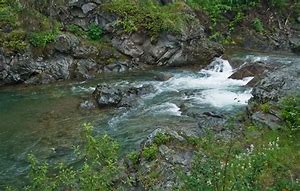
We lived on the bank of a glacial-fed mountain river, the Carbondale River. The trailer backed onto the river; the other side fronted on the dirt road, and across the road was a small hill with a flat cow pasture on top. My Dad had dug a well between the river and the trailer. With the aid of a hand pump, he was able to fill a water tank that he had precariously perched high up in a tall tree near the trailer. He had plumbed a water line into the trailer to provide pressurized water for the kitchen tap. The toilet was another matter.

undefined

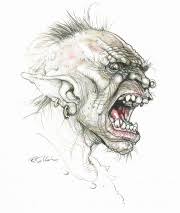
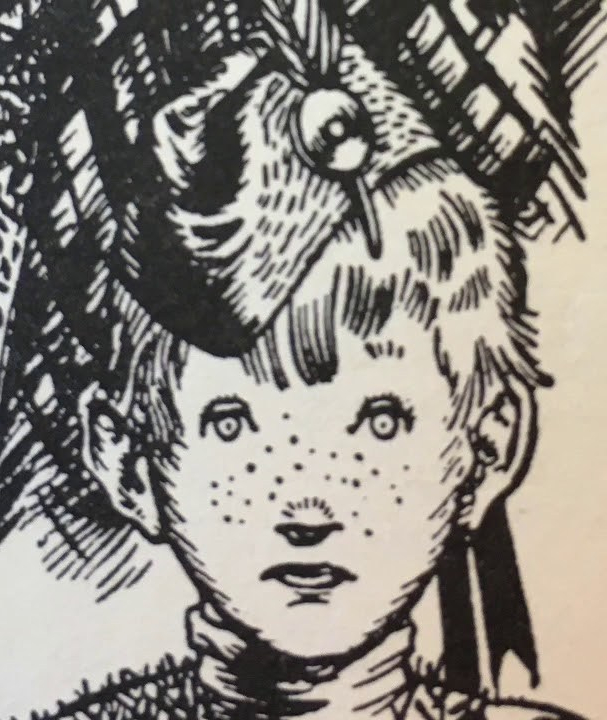
Going to the bathroom during the day was a fine adventure. The thunder-box was an open affair, with no walls or roof of any kind. The privy, as Dad called it, was a plank covered hole, dug into the gravelly soils in the woods up by the cow pasture across the road.  You had to cross the road, climb the hill, sneak past the free-range cows, move only when the bull was not looking, and under the cover of the open pine forest go to the toilet. Easy, peasy! At night the journey was scary. Every boy knows that creepy stuff comes out at night. Dad, wanting me to learn to read, had been reading J.R. Tolkien’s The Hobbit aloud to me on summer evenings before bedtime. I mean, I knew there were trolls, dragons, orcs and creepy things waiting for me in the woods. At night the path to the privy was arduous, the cows massive, and the forest alive with moving shadows and strange sounds. Once I arrived at the privy, I had to worry about falling into the nasty privy pit. I imagined that a wicked goblin lived in the forest and wanted retribution for the treasure I had found.  I soon realized that going to the privy at night should only be done in absolute emergencies.

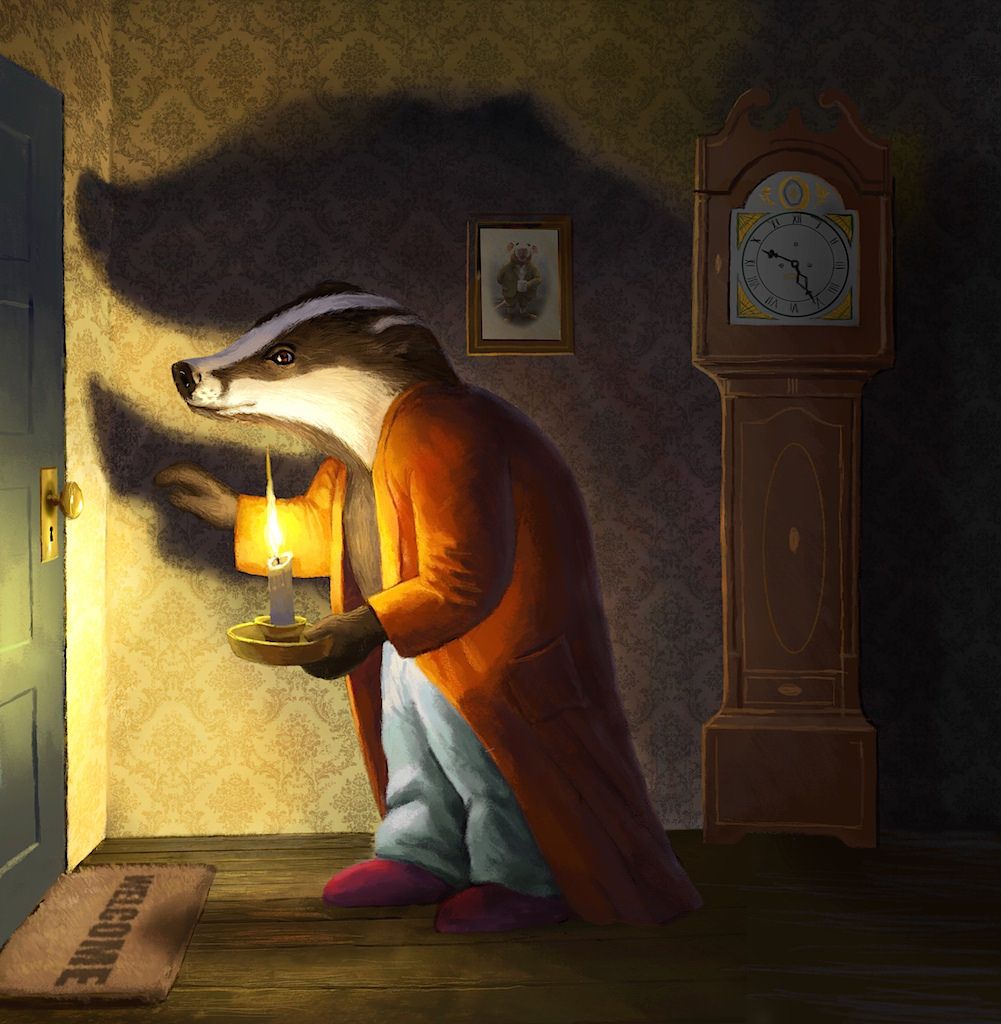
During the day I would play outside. My parents had shown me a badger hole that had been burrowed under the trailer. To keep me occupied they suggested that I watch the hole to see the badger. I quietly waited and watched while trying not to breathe like Wee Gillis stalking a stag. A few days passed with me trying to silently sit and watch the inactive burrow. Of course, I wanted to see the badger and my patience was waning so I hatched a plan.

undefined

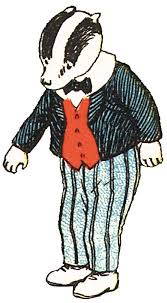
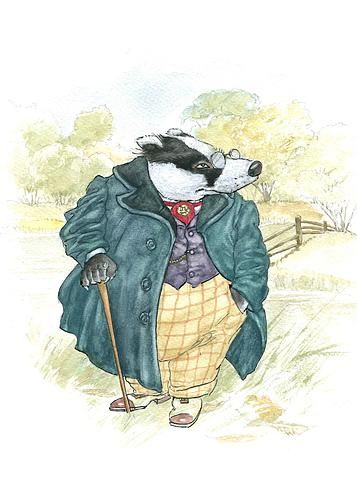
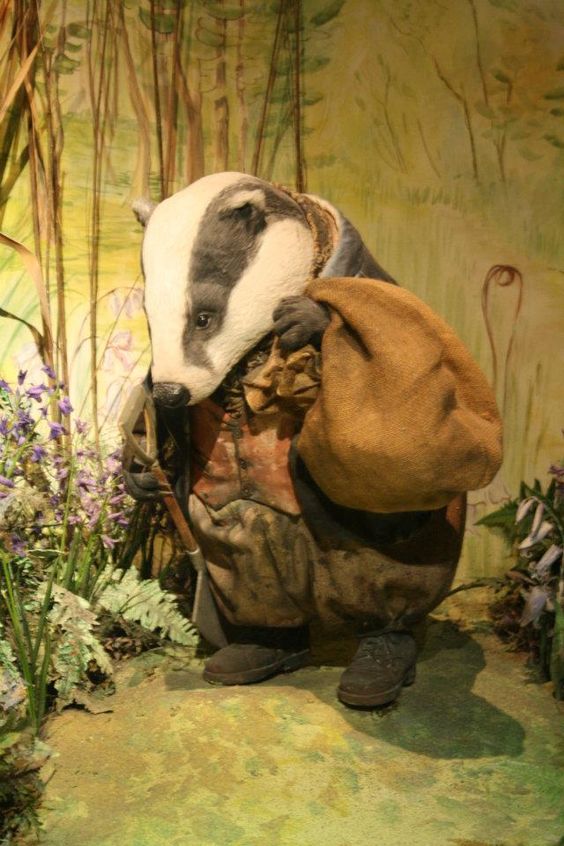
Mom had a pail for hauling water, and for doing laundry on the glass scrub board down by the river. I obtained the pail, ran down to the river, filled it with glacial water, then lugged it up the hill to the Badger hole, and poured it in. I spent a tiring morning and afternoon filling the burrow with water. I even started thinking that the Badger had moved on. So I went down to the river to fetch one last bucket of icy water, lugged it back up, and poured it into the hole. Well, up came the most terrifying animal I have ever met. The badger was furious. To say the least, she was pissed, wet, cold and very, very big. She looked like she had just awakened from her mid-day nap.  She was nothing like the badger I had expected. Badger in Beatrix Potter’s Mr. Toad was much more pleasant; Badger in the Wind in the Willows was certainly more charming; Badger in Rupert the Bear was definitely more endearing than the wet, grumpy, and snarling old badger I had flushed out that day. She shook off the water, groomed her white facial stripe, gave me a nasty badger stare and plodded off. Badger and I parted company for good.

Bull

The other activity that occupied a lot of my spare time was hunting cows. One of the ranchers in the area had free-range cattle that would herd up on the pasture land near our trailer. I had to walk across the dusty road, up a tiny hill, and along the forested fringe to observe the herd. The cattle would be chewing their cud under the shade trees next to the field. They always had an enormous brown bull with them. Their protector had two unusually long horns and a massive shiny ring in his nose. He never took his eyes off of me, ever. The bull was formidable. I would pretend to hunt the cows. My brother and I would sneak through the grassy field moving slowly to avoid the cow paddies and startling the cows. Most of the time nothing terrible happened. Sometimes we stepped barefooted in a fresh cow paddy. The feeling the thick, soft, green, fermented ooze between the toes was nasty at the best of times. Sometimes if we managed to get too close to the cattle the bull would stand up and turn towards us, stopping us in our tracks.

One day I got the idea to throw stones at the cows. My brother, Ralph, and I had filled our pockets with round marble-sized river-stone ammunition, slithered our way towards the cows, subsequently stood and fired. The bull reacted immediately. He charged towards us, with his head down, and his eyes focused. We ran. When we arrived at the top of the hill, legs covered in cow paddy green, we could hear the snorting breath of the bull just behind us. As we toppled down the grassy hill towards the gravel road, we knew we were dead. Lying in a pile at the bottom of the hill, I remember seeing the massive bull standing at the top of the hill looking down at us in disdain. He was so big, so powerful, and so forgiving. The hunted had been victorious. The vanquished sheepishly walk away down to the river to clean our filthy cow paddy legs and soak our wounds. Hunting was over for the summer.

One day to my surprise a cowboy rode into our camp. He was a large strapping man wearing a black Stetson and his legs were protected by leather chaps. His rifle was sheathed in a leather holster and strapped to the side of his saddle. The horse was an appaloosa with pale fur and black spots. I was extremely timid and did not speak to him, for he was a true cowboy and I had messed with his cows. I wondered if he had heard about our hunt.

Like summer, the adventures ended. We took down our camp and headed home to the City of Calgary.

The Boy and the River

The Boy and the River: The River Poet and the Art of Living

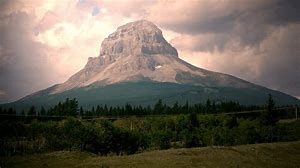
Crowsnest Mountain

Is the outdoor lifestyle a choice or a condition of connection that is embedded in your epigenome or DNA? In my experience the river and nature have defined my lifestyle; in fact, the river has defined my life. If there are “River People”, I would consider myself one of them. My connection to the river developed from my earliest years and continues to evolve even today. Such a connection started from early childhood exposure to a river and the development of lived relationships with many rivers that defined who I am, how I live, and where I live.

My outdoor lifestyle evolved experientially from the complex intersection of enduring values, lifelong dreams, and fervent aspirations developed in an outdoor environment. To me, lifestyle, a metaphor for the river, is unconsciously crafted from life’s vibrant abstractions, assiduous dreams, and turbulent attributions. Life’s contrasts, like those of the river’s, are formidable: soft and hard, placid and raging, easy and difficult. The middle way through life is hard to discover, but it is present if you look deep enough. To find life’s middle way is like finding the best route down a turbulent rapid. The smoothest life path and best way to descend a rapid is the middle way; following the safest chosen route that takes you around obstacles that form life’s rapids and then accepting the consequences of your decisions.

My river life influences me profoundly. The rivers sing to me. Their energies, colours, sizes, textures, sounds, and smells speak to me like poetic verse. The generous gift of the flowing river is the rich personification of their shared experiences; the gift of the poem is the expression of lived river experiences wealthy in verses personified. But how do the river and the poem connect to my lifestyle? Let me start with a poem, and a story: then, you will see.

Crowsnest Mountain
The Carbondale River

It was here in the dry washouts along the stony river bank where I would spend hours excavating the ancient fossils of Diplodocus and Tyrannosaurus Rex. I would piece together the skeletal remains with the precision of a four-year-old. During the evenings my parents would inquire what I had been doing all day, and I would tell them collecting dinosaur bones. They smiled. 

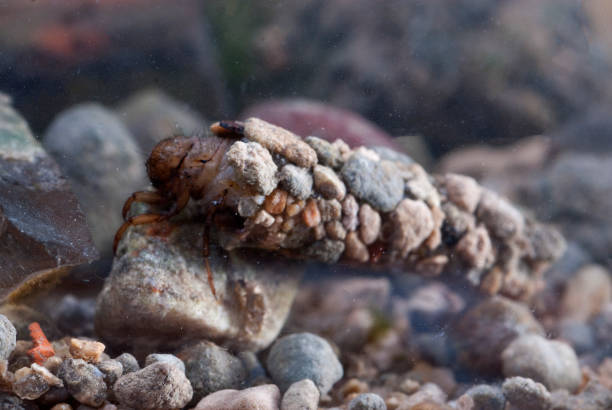
Caddisfly Larva

The Carbondale River was very interesting in other ways, too. I remember watching the Caddisfly larvae, encased in sand, small pebbles, twigs, and Lodgepole Pine needles, crawling along the backside of the smooth, almost spherical, river stones to avoid the strong currents. They seemed to feed on some invisible, but nourishing food.  I would spend hours watching and collecting them for closer observation. The larvae appeared to need the weight of their stone covered exoskeletons to anchor their soft bodies to the protective substrate to resist the dynamic forces created by the river’s turbulent flow.  We were alike, the Caddisfly larva and I; anchored against the turbulent flow of life.

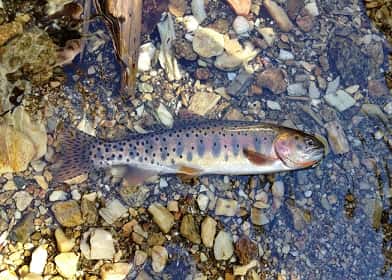
Trout

I was also very curious about the trout. The trout seemed to collect in the deep pools below the ledges and falls in the rapids to avoid the cascading waters or perhaps to take rests from swimming in the relentless turbulence while looking for food. I wondered if they ate the Caddisfly larvae. One memorable day my Dad made me a fishing pole. To a stick he tied a piece of fishing line, to the end of the line he attached a paper clip for a hook, and then baited the hook with one large glorious red salmon egg.  I was delighted, for I had been nagging Dad to go fishing for months, and this was likely his most immediate solution to stop me from the endless asking. I tried fishing near the trailer, but the river was too shallow and fast, so I packed up my rod and prepared to head downstream to the “fishing spot”, as my Dad’s summer student, Ron, called it. So, as soon as Dad’s attention was elsewhere, as it usually was, I headed for the best fishing hole on the river. Half-an-hour later I arrived at the clear placid turquoise pool. The rush of cold cascading melt-water momentarily paused as the glacial melt dropped over a series of ledges into this small fish-filled basin. I remember a man from the newly constructed campground concernedly asking me if my parents knew where I was.  It must have seemed odd to him that a small boy with unusual fishing gear would appear out of the thickets growing along the river. This was my first time fishing, and I was determined to catch a beautiful fine-scaled trout. I had never really considered telling my parents where I was going, as this was not my habit. However, I was eventually missed and created some parental worry. I was eventually located by, Ron, my Dad’s summer student and reunited with my distraught parents. My first fishing adventure was a lesson in letting your parents know where you are going no matter what. I am still very adventurous.

Don River

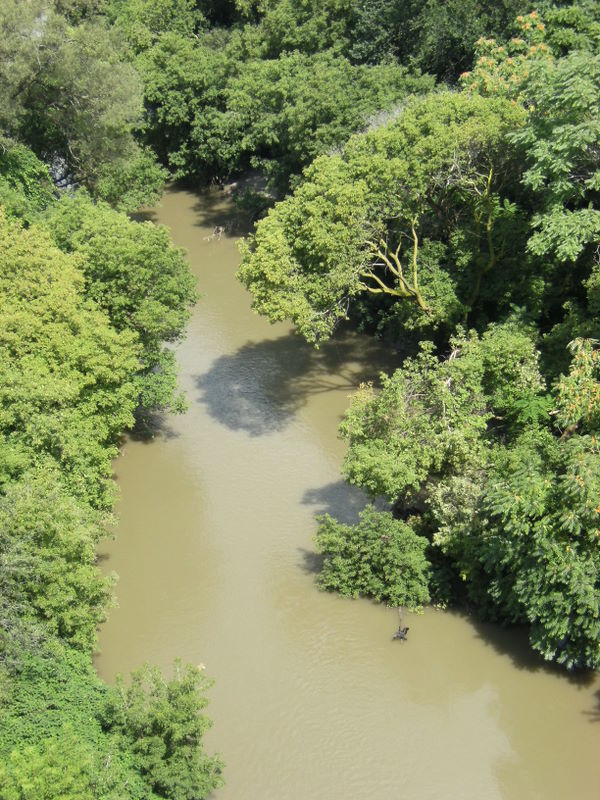
Somehow my parents ended up in Toronto. My Dad was teaching at the University of Toronto, and I was looking for the river. Our house was newly constructed on Willesden Road, North York. In the mid-1960s there was plenty of open space with the plethora of vacant farmland being gradually developed by the suburban creep. It took me a month to discover the river. To accomplish this enduring task I had to cross Willesden Park, get into the high tension power-line, then hike west about a kilometre until I discovered the muddy headwaters of the Don River. This was nothing like the clear cold Carbondale River; instead, it had precipitous silt banks and warm dark sediment-filled water. However, the Don River was full of baby snapping turtles, which enamoured my boundless curiosity. My parents probably wondered why I would return home muddied and smiling after my daylong weekend absences. But as long as I made it home for supper, they seemed content that I had profited from the day.

Red Rambler

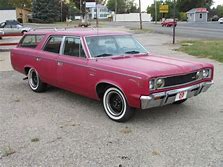
My last summer in the mountains was 1969. My Dad and I drove the new red Rambler Wagon west for his last field season in the mountains. This was the best shared time Dad and I had together. I am so very glad we were able to road trip that summer. That same summer,  I said goodbye to the Carbondale River. I have never been back.

The Road Trip of 1969: Red Rambler
 
When I was 7; years ago
I went road-tripping with Dad
From Toronto to the Crow
In the old Rambler Wagon, we had
 
The bright red Rambler Wagon
Was our home for many days
A night we slept like Hobos
Crashed out on seats lengthways
 
We stopped at many parks
And camped along the way
We toasted Salami sandwiches
Chased Black Fly swarms away
 
We laughed and sang all kinds of songs
Like good old buddies do
We saw cool things; could do no wrongs
‘Cause we had gum to chew
 
The love I felt, the joy, the bliss
He was my father; my Dad
He cared for me without remiss
For I was all he had
 
It’s Rainbow Falls and Quetico
That I remember best
We likely passed by Thunder Bay
As we headed for the west
 
We passed the Sleepee Teepee
We saw the Coleman slide
My eye got kind of weepy
When I learned the whole town died
 
To Crowsnest Pass and Blairmore
In the mountains of the West
To the Carbondale River’s roar
We drove like on a quest
 
My Mom, my brother, and my sisters
Would get there on the train
We lived in an old trailer
In that mountainous terrain
 
In the mountain shadow
By a river, in the pines
As kids, we summered long ago
And had some real good times
 

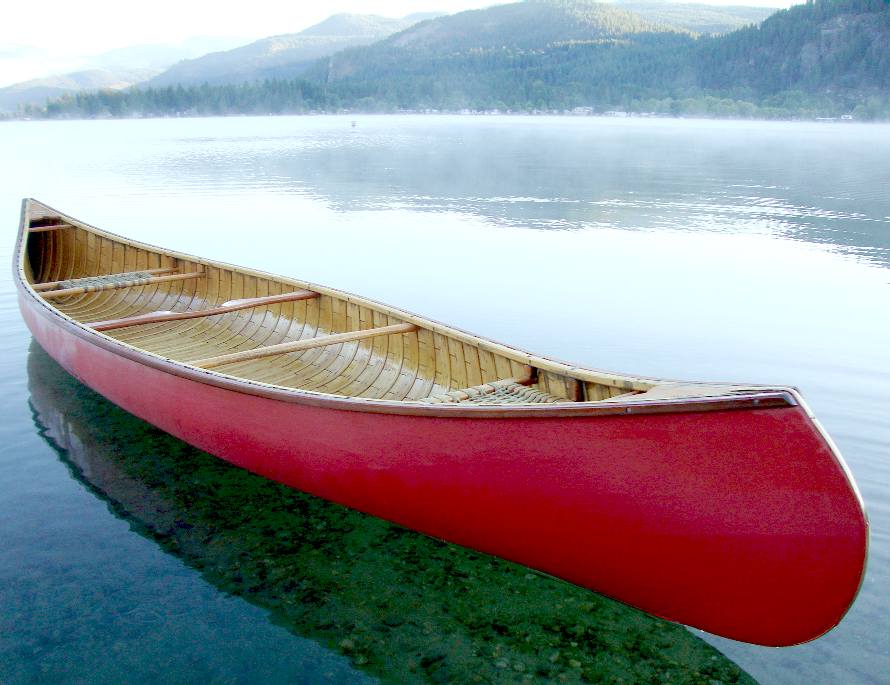
One day in 1970 my father came home with a red 16-foot cedar stripe and canvas canoe. It was glorious. The hull was painted fire truck red, the bow and stern decks had been varnished to a glisten and the cedar ribs where a warm light yellow colour.  This was our first canoe and I badly wanted to go paddle on the water: any water! I was hooked to the point of abstraction and likely drove Dad nuts from asking him a million times to go canoeing. Soon after the canoe arrived I remember Dad taking the family to Lake Simcoe for a day outing to canoe and picnic. Indeed, I don’t remember much. The fragments of memory that remain inform me that the winds and waves made the canoeing wet, cold, and nearly impossible. My Dad, an inexperienced but determined canoeist, was miserable about the whole experience and from them on we seldom paddled together. But we did have a canoe. 

Neebing River

The commuting to and teaching at the University of Toronto was wearing on my Dad. Consequently, he packed up the family and moved us lock, stock and barrel to Thunder Bay. We ended up on Riverview Drive, and I, fortunately, had the Neebing River right across the street and down the bank from our newly built home. I found the new city terrifying, it was difficult to find new friends, and the Edgewater Park School was rich in bullies. The river became my solace, my wilderness, and my adventure. Like the Don River, the Neebing River was muddied with silt.

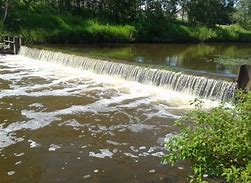
Weir on the Neebing River

I started fishing the river that spring catching small Speckled Trout and snagging the occasional White Sucker. One day the Edward Street weir caught my eye. In the spring mostly men and boys fished in the turbulent water downstream of the metal weir. This weir obstructed the migration of lamprey upriver, but also prevented the Rainbow Trout from attaining the upstream pools. Here fathers and sons fished side by side, and in a way, I wished my Dad would join me, for he had a magnificent bamboo fly rod that he had used years before to catch the Carbondale River’s Cut Throat Trout. But he was extremely busy being a professor; so I fished alone.

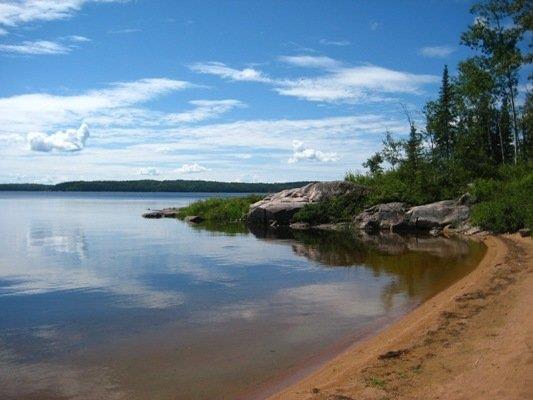
Round Lake Beach

The next summer, as fortune would allow, Dad took a summer research position with the MNR near Kirkland Lake, Ontario. That summer he rented a log cabin on Round Lake for the family. He worked, and my brother, my two sisters and I stayed at the cabin with Mom. Fortunately, we had the red cedar stripe canoe, and Dad, bless his heart, had found a bit of time to carve us all canoe paddles of the right size. He colour-coded the paddles by lovingly painting blue, orange, or yellow stripes diagonally across the blades. My first real paddle was striped blue, and I cherished my Douglass Fir beaver-tail like pirate gold.

At Round Lake, we keep the red canoe turned over on the white sand beach just above the waterline. On calm mornings I would put on my lifejacket, a stiff bulky red affair with a broad uncomfortable collar. I was told it would float my face up in the event of capsizing. I would launch the canoe by turning it upright, and then drag it into the water before pushing off to go solo. I found that with my size and weight at the time, I could stand on the gunwales or bow deck of the 45-kilogram canoe without the remotest fear of flipping the canoe upside-down into the tepid waters of Round Lake. However, I had to be careful in the wind for the lake was big and a stiff breeze would easily have blown me out towards the middle of the lake into unknown peril. Therefore I only paddled on the calm waters near the beach and along the shore to a deep fishing hole underneath a nearby cliff. It is here at Round Lake where I began to become skilled in the arts of canoeing and fishing. That summer I excitedly landed my first big fish while solo canoeing. The perch was delicious, all four bits.

My Dad’s summer research work would take us to Round Lake over the next few summers.  I would solo canoe mostly, fish, swim, and adventure into the surrounding forests to pick wild blueberries and strawberries. The summers past by quickly, I grew, and my canoeing skills improved. They say you need 10,000 hours to master something and by the end of the last summer at Round Lake my solo canoeing hours were in.

Paddle like Monet
 
River, River you hold my heart
You are my canvas
You are my art
 
I paint upon your watery canvas
My paddle brushing
As your surface prances
 
With my soul I artfully stroke
Your currents subtle
Down drops that soak
 
I surf and turn with mastery subtle
Your waves and eddies
In sculpted rebuttal
 
I ply your wild turbulent eddies
To control my float
That your current unsteadies
 
Like Claude Monet the impressionist
With every stroke, I turn and twist
This improvising canoe artist
 

Once I had the strength and size to portage the heavy red canoe down to the Neebing River, paddling became my summer pastime. I explored the muddy waters from above Smith’s Farm to Lake Superior. The river opened up both front country wilderness and back yard urbanism to a curious and inquisitive explorer.

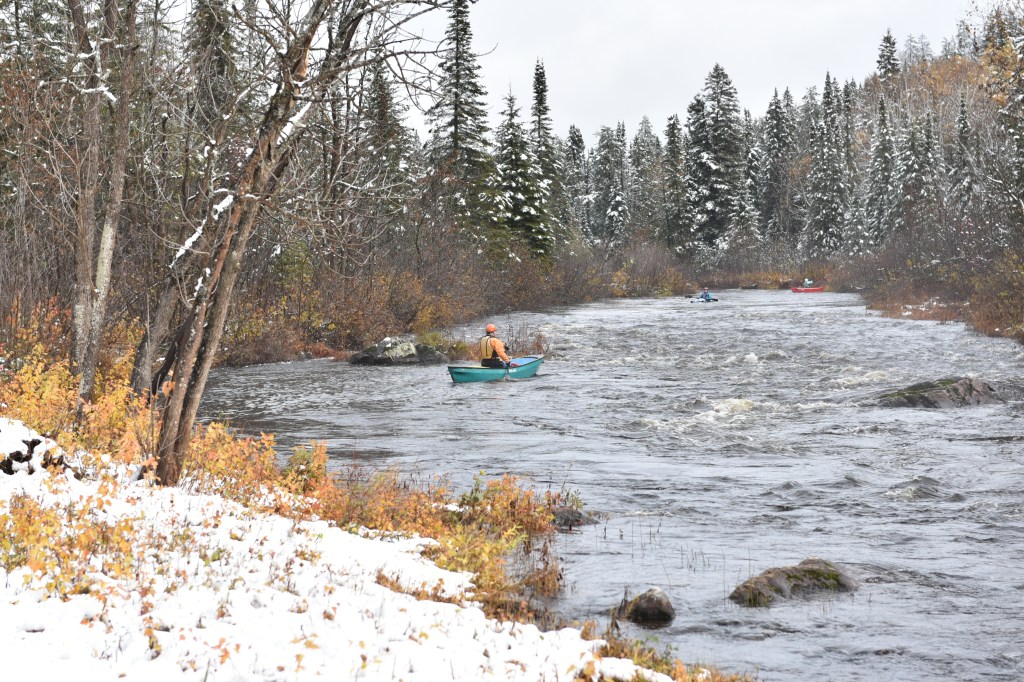
One remarkable day in 1972, while watching the Munich Olympics on the black and white television in our rec-room, I saw the whitewater slalom kayaking final from Augsburg, Germany. At that very moment, I knew I had to learn to kayak rapids. The kayak was so appealing and the paddlers danced harmoniously down the river using the features and turbulence to synchronously navigate the raging cascade with complete control.  Subsequently, I dreamt of whitewater kayaking every night. After saving my paper route money and summer student pay for nine years, I was able to purchase my first kayak. With the support of the Thunder Bay Kayak and Canoe Club, my dream was fulfilled. I could begin to dance down the river like Rudolf Nureyev in Laurencia.  The river and I have been together ever since.

Feel It 
Feel the sun on your face
Feel the winds cool embrace
Feel the energy of the land
Feel the cold water on your hand
 
Feel the paddle in the water
Feel the canoe in current totter
Feel the pull of the eddy current
Feel the hull with knees subservient
 
Feel the drag of ascending force
Feel the canoe; keep it on course
Feel the heartbeat start to pound
Feel the brace through paddle downed
 
Feel the adrenaline rush so strong
Feel the elation as you paddle on
Feel the body give a shiver
Feel alive and love the river
 
By Bill Day
My Home River

The End